
Puppy Socialization Tips: How to Raise a Confident, Well-Adjusted Dog
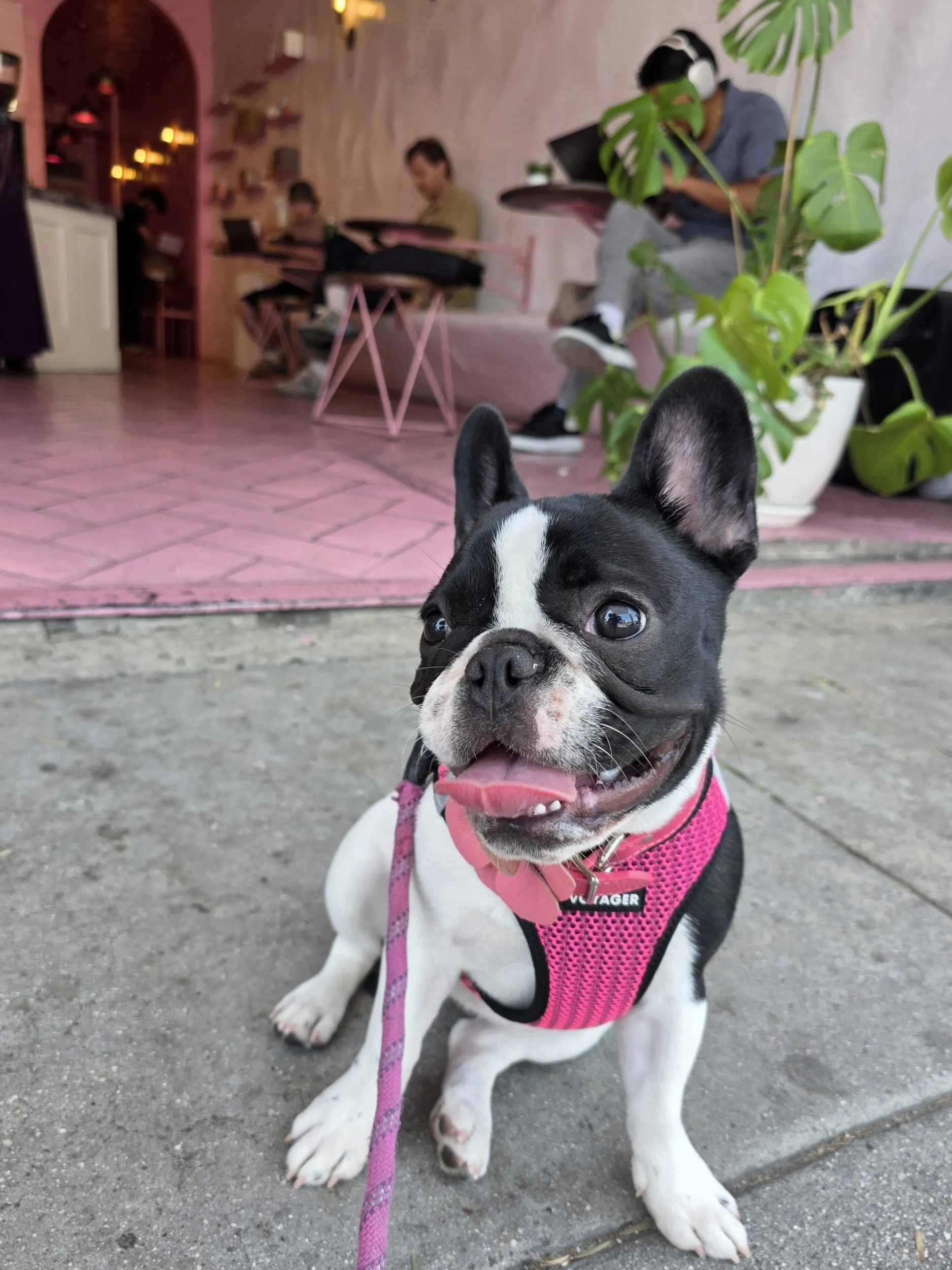
Bringing home a new puppy is an exciting adventure. One of the most important things you can do during your puppy's first few months is provide positive socialization experiences. While many people think puppy socialization is all about meeting other dogs and people, it's much broader than that. A well-socialized puppy is one who feels comfortable navigating the world around them. In addition to making new friends, you’ll want puppy to experience different sights, sounds, surfaces, environments, and everyday situations.
In this guide, we'll cover practical puppy socialization tips to help your puppy grow into a dog that can confidently go anywhere with you!
What Is Puppy Socialization?
Puppy socialization is the process of introducing your puppy to the world in a positive, structured way. From the time you get your puppy to about six months of age, focus on building puppy’s confidence with the world around them. It’s their first time living too, so take it slow, and let them explore. When puppies learn that these experiences are safe, they're much less likely to develop fear or anxiety later in life.
Prioritize New Environments
The best puppy socialization plan gradually introduces your puppy to a wide variety of places. Even before your puppy is cleared by your vet to go on walks, you can carry them, or use a sling, carrier, stroller, or wagon to take them to new places.
Great places to explore include:
Both quiet and busy streets
Local parks
Dog-friendly stores and shopping centers
Dog-friendly café and restaurant patios
Farmer’s markets
Allow your puppy to observe the environment at their own pace. Sometimes, simply sitting on a bench and watching the world go by is one of the best training exercises.
Once your puppy is cleared for walks, be sure to introduce different textured surfaces, such as grass, sand, metal grates, tile floors, and puddles. Walking on unfamiliar textures helps puppies develop confidence with different environments and body awareness. Allow your puppy to investigate without rushing them.
Practice Calm Car Rides
Car rides are another important socialization experience. Don't only use the car for veterinary visits. Take short drives to fun destinations like parks or pet-friendly stores near you so your puppy learns that riding in the car predicts enjoyable adventures.
Introduce New Sounds
Dogs can become fearful or reactive if they were never exposed to common noises as puppies. Help your puppy build confidence by gradually introducing sounds such as:
Vacuum cleaners
Hair dryers
Thunder recordings
Fireworks recordings
Traffic
Lawn equipment
Doorbells
Babies crying
Household appliances
Pair these sounds with treats, play, or praise so your puppy develops positive associations. You can listen from a distance, or search Youtube for recordings and play at low volume.
Meeting New People
Meeting different people is an important part of puppy socialization, but quality matters more than quantity.
Introduce your puppy to people of different ages, appearances, and mobility levels, including:
Children
Seniors
People of various ethnicities
People wearing hats, sunglasses, coats, backpacks, etc.
People using wheelchairs, walkers, or canes
Offer people a treat or toy to give your puppy and encourage them to let your puppy approach voluntarily instead of reaching toward them. Positive, low-pressure interactions help build trust.
Meeting Other Dogs
Once your puppy is adequately vaccinated, socialize with friendly dogs in structured, 1-on-1 or small group settings. Introduce your puppy in a safe, neutral environment, and keep sessions short and enjoyable. Watch your puppy’s body language, allowing breaks if they seem overwhelmed or tired. Positive experiences with well-mannered dogs help build confidence, teach appropriate dog-to-dog social skills, and reduce the likelihood of fear or reactivity later in life. Here are suggested ways to meet other dogs:
Well-managed puppy classes
Play dates with dogs you know
Greeting friendly adult dogs or similarly aged puppies
Avoid overwhelming environments where large groups of unfamiliar dogs interact freely. A single negative experience during puppyhood can have lasting effects. Remember: your puppy doesn't need to play with every dog they see. Learning to remain calm around other dogs is also a valuable lifelong skill.
Teach Your Puppy to Observe
Socialization doesn't require your puppy to greet everyone they see. In fact, one of the most valuable skills is learning to calmly watch the world without feeling the need to interact. Find a quiet place to sit with your puppy and reward calm behavior as people, bicycles, dogs, or vehicles pass by. This teaches your puppy that exciting things happen around them without requiring a reaction.
Watch Your Puppy's Body Language
Successful puppy socialization happens at your puppy's pace.
Signs your puppy is comfortable include:
Loose body posture
Curious sniffing
Taking treats
Relaxed ears and tail
Willingness to explore
If your puppy shows signs of stress, such as:
Tense body
Excessive yawning
Lip licking
Refusing treats
Tucked tail
Trembling
Hiding
Create more distance from the situation and allow them to recover. Building confidence is more important than checking experiences off a list.
Make Every Experience Positive
Every new experience should end on a positive note. Bring high-value treats, favorite toys, and plenty of patience. Keep outings short, especially for young puppies — five to fifteen minutes of successful exploration is often more beneficial than a long, overwhelming adventure. Your puppy doesn't need to experience everything in one week. Gradual exposure over time builds lasting confidence.
The goal of puppy socialization isn't simply creating a dog that enjoys meeting strangers or playing with every dog they encounter. It's about raising a dog that feels comfortable navigating everyday life. By introducing your puppy to a variety of environments, sounds, surfaces, and experiences in a positive, structured way, you're laying the foundation for a confident, resilient dog.
If you'd like help creating a personalized puppy socialization plan or building confidence through positive training in the Salt Lake City area, click here to view the training services we offer, or book a free 15-minute phone consultation here.